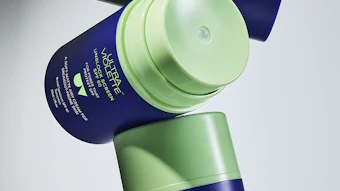
A cosmeceutical is an ingredient with medicinal properties that manifests beneficial topical actions and provides protection against degenerative skin conditions. The word “cosmeceutical” was popularized by Albert M. Kligman, a professor at the University of Pennsylvania Medical School, in the late 1970s. The term encompasses cosmetic actives with therapeutic, disease fighting, or healing properties—serving as a bridge between personal care products and pharmaceuticals.
The term “cosmeceuticals,” “performance cosmetics,” “functional cosmetics,” “dermoceuticals” and “active cosmetics” have become the buzz words in 21st century personal care, and U.S. cosmeceutical sales are now worth $16 billion and expected to reach $21 billion by 2012, according to Packaged Facts, June 2008.
Originally appearing in global markets in the 1990s as an off-shoot of the nutraceuticals revolution, cosmeceuticals are now recognized as a rapidly growing segment in health and personal care in the U.S., Europe and Japan. The results of this revolution are apparent in that cosmetics are no longer visualized as products that cover up or camouflage imperfections in personal appearance. Today’s healthful cosmetics strive for protective, healing and rejuvenating attributes as well. Note, however, that no “disease healing” or “structure altering” label claims are permitted to define cosmeceutical benefits. For example, a skin care product containing cosmeceuticals that help to reduce the signs of aging can only claim to “reduce the appearance of wrinkles.”
Several leading manufacturers of personal care products are active in cosmeceuticals, and they find niche markets that can be targeted with specific claims. The success these companies are finding and the phenomenal growth of the category is nurtured by the aging baby boomer generation, which has sought natural alternatives to cosmetic surgery. And within the cosmeceuticals category, antiaging cosmetics are the most popular segment.
More recently, the emerging trend of “beauty inside and out” is becoming increasingly popular, wherein orally consumed nutritional supplements (nutricosmetics) and topically applied cosmeceuticals work in harmony to promote physical appearance and well-being.
Antiaging: A Basic Ingredient Overview
A radiant appearance is only a reflection of optimal health and well-being. This forms the underlying principle of current trends in the personal care industry. Cosmetic products no longer seek to cover up signs of aging. The root causes of skin, hair and nail damage are addressed externally by using cosmeceuticals and internally with nutraceutical supplements.
Vitamin and mineral deficiences, poor antioxidant status, impaired digestion and compromised immune functions are all reflected in a sallow complexion, lifeless hair and brittle or discolored nails. Oral intake of antioxidants such as carotenoids, selenium, proanthocyanidins (found in grape seed extract, apples and other plant sources) and vitamin E is reported to reduce the risk of DNA damage by ultraviolet radiation that leads to skin aging and skin cancers. A recent study reports that curcumin, the antioxidant pigment from turmeric is useful in the oral treatment of melanoma. In other studies, orally administered phytonutrients such as soy isoflavones and green tea polyphenols were found to offer protection against photoaging through inhibiting the action of enzymes that degrade connective tissues. And these ingredients and their impact support the “beauty from the inside out” concept.
Natural antioxidants that quench free radicals are an essential component of antiaging formulations. They potentially offer protection against damage to the tissues and against the detrimental effects of environmental and other agents. Biochemical reactions that accelerate the progression of skin aging have their roots in inflammatory processes, as inflammation generates micro-scars that mature into blemishes or wrinkles. Various types of inflammatory mediators may influence melanin synthesis by affecting the proliferation and functioning of melanocytes, pigment-producing skin cells, and natural anti-inflammatory agents are therefore included in antiaging formulations in order to soothe, heal and protect skin tone and integrity.
Technological Innovation Boosts Marketability
The expanding range of natural actives in mainstream cosmetic products is ample proof that the cosmeceutical revolution is here to stay. The demand for cosmeceutical products is expected to increase 8.5% per year to more than $8 billion by 2010 . The global cosmeceuticals market, initially dominated by acne therapies such as retinoids, is experiencing a sea of change. Innovative naturals have invaded the cosmeceuticals scene and found their way into well known branded cosmetics. Market research projections forecast that skin care products will account for more than 60% of the total cosmeceutical product demand in 2010, with the demand for antiaging products growing at twice the rate of other cosmeceutical products. Technological innovations in cosmeceuticals offer appearance-enhancing benefits for the increasing aging population.
As part of the category’s appeal, cosmeceutical interventions are noninvasive and do not jeopardize the recipient’s sense of identity. Invasive procedures such as Botox or other injected alternatives, besides potential safety concerns, may produce effects that are less than desirable and there for the long term. Significant alternative approaches to invasive procedures include pentapeptides (based on essential amino acids) and innovative micronized actives in the form of nanosomes and nano-dispersions.
Molecular biology plays a pivotal role in innovating cosmeceuticals. Ingredient development now begins with the identification of molecular targets. For example, aquaporins (AQPs) are proteins that facilitate the transport of water across cell membranes. AQP3 expression is related to the expressions of other epidermal proteins involved in water maintenance. The expressions of AQP3 water channels are strongly affected by age and chronic sun exposure, and a defective osmotic equilibrium could occur in the epidermis, which would account for the skin dryness observed in older people and skin areas most exposed to sunlight1. Natural actives that can modulate AQP3 expression would therefore be effective hydrating agents and emollients.
Cell longevity is linked to sirtuins (silent information regulators), which belong to a family of enzymes implicated in gene silencing, programmed cell death, fatty acid metabolism and regulation of cellular life spans of organisms. Sirtuins are associated with genes that coordinate and optimize the functions of cells as cells struggle to survive in a stressful environment, as it is the case for skin cells. Therefore, cutting edge antiaging strategies utilize cosmeceuticals with the potential to modulate sirtuin expression.2
Green Cosmeceuticals, Authentication, Traceability and Sustainability
Global regulatory compliance remains key to marketing cosmeceuticals for use in personal care products. Innovative cosmeceuticals must, therefore, be thoroughly characterized to comply with REACH regulations in Europe, for example, and conform to accepted definitions of “natural” and “organic,” if such claims are made. Traceability, sustainability and environmental concerns need to be addressed adequately. While animal testing was routinely carried out to determine the safety and efficacy of consumer products and drugs in the past, recent trends seek to veer away from such practices—with an increasing demand for cruelty-free cosmetics.
Marker compounds are chemicals proven by research to be characteristic of a botanical material, and endowed with validated health benefits. Chemical fingerprints using chromatography and spectrophotometric methods, in combination with bioassays, are the accepted methods to ensure the presence of marker compounds in botanical materials. A botanical’s active principle may concentrate on a specific location in the plant, and manufacturers often use combinations of plant materials in preparing finished extracts. Contaminant levels—including heavy metals, pesticide residues, extraneous matter and genetic modification aspects—also need to be considered. Therefore, manufacturers of personal care products containing cosmeceuticals need to select and screen ingredient suppliers carefully to ensure authenticated, standardized ingredient supplies that meet global regulatory guidelines.
Envisioning the Future
Sustained research will enable the development of innovative cosmeceuticals from little used natural materials. With the global emphasis on humane experimental methodologies, in vitro and alternative testing methods for safety and efficacy of such ingredients, and finished cosmetics containing them will become the norm. Alternative cell culture models to assess efficacy parameters and to measure safety parameters such as acute, chronic, reproductive and developmental toxicity; eye and skin irritation; hypersensitivity; mutagenicity/carcinogenicity; phototoxicity; toxicokinetics; and behavioral responses will be perfected.
The last decade saw the beginning of a revolution in personal care, reconfirming that beauty is much more than skin deep. With scientifically validated safety and efficacy, cosmeceuticals will continue to find novel applications in personal care products in the years to come.
References:
- M Dumas, et al. Hydrating skin by stimulating biosynthesis of aquaporins. J Drugs Dermatol, (6 Suppl):s 20–4 17691206 (P,S,E,B) Jun 6 2007
- M Moreau, et al. Enhancing cell longevity for cosmetic application: a complementary approach. J Drugs Dermatol, Jun 2007
Lakshmi Prakash, PhD, is vice president of innovation & business development at Sabinsa Corporation, responsible for identifying and developing innovative health applications, delivery systems and intellectual property pertaining to natural actives and nutritional raw materials. She received degrees in chemistry and food technology from the University of Mumbai, India, and earned a doctorate in food science from Rutgers University.