The Science Behind Cosmetic Claims: Q&A with MedPharm Experts
Dr. Jon Lenn, Dr. Charles Evans, and Dr. Jon Volmer

What is happening in the global skincare industry?
The global skincare industry is significantly growing. In 2024, sales topped $65 billion, and forecasts suggest the market could more than double by 2034. A major contributor to this growth is the rise of physician-dispensed brands, including those sold through dermatologists, aesthetic clinics, and plastic surgery centers, where consumers expect high performance and strong scientific claim support.
How are consumer expectations changing?
Expectations are shifting. Social media has fueled unprecedented interest in skincare while simultaneously amplifying misinformation and pseudo-science. Consumers have become more skeptical of marketing claims, especially as product prices climb. At the same time, new technologies such as AI-based skin diagnostics and improved imaging tools are giving people more visibility into their skin health and making personalized skincare feel necessary.
Why does evidence matter in this environment?
In this rapidly evolving landscape, evidence matters. Consumers expect trustworthy claims, and brands need credible scientific support to stand up to regulatory (and consumer) scrutiny.
What does the Center for Skin Biology (CSB) do?
• Early- to late-stage formulation development
• Preclinical in vitro and ex vivo human skin models
• Clinical testing for cosmetic and OTC claims
• Competitor benchmarking and head-to-head performance evaluations
• understanding of actives and finished formulations
All studies are conducted under rigorous scientific standards aligned with regulators, advocacy groups, dermatologists, and consumers.
How are products developed and tested?
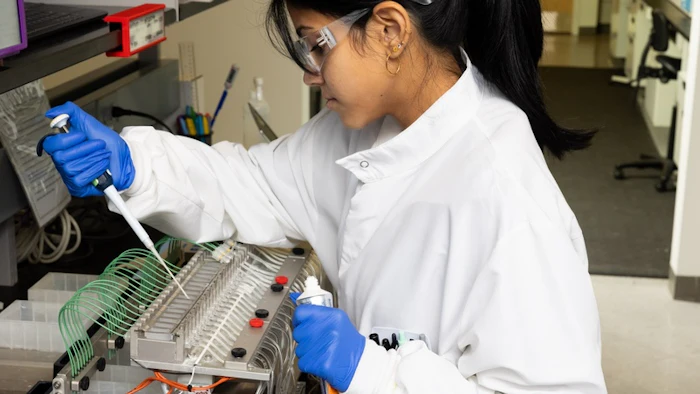
Formulation development focuses on creating products that perform well, remain stable, feel elegant on the skin, and can be manufactured reliably. Preclinical testing uses in vitro and ex vivo models, often with real human skin, to assess barrier repair, irritation, pigmentation, wound healing, and other biological responses. Diffusion models are used to measure how active ingredients move into and through the skin.
What is the overall message about the future of cosmetic science?
As cosmetic science evolves, consumers expect transparency, brands demand reliable data, and regulators are paying closer attention to product claims. Scientific evidence is essential for developing credible and trustworthy skincare products. In a world where skincare is more scrutinized than ever, science isn’t optional. It’s the differentiator.