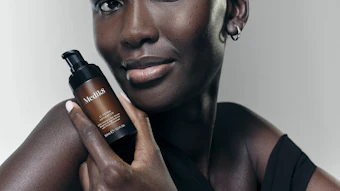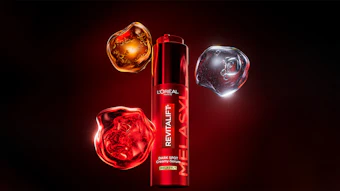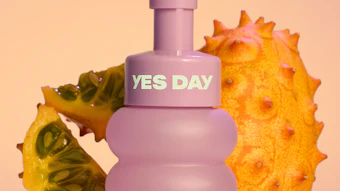
The traditional luxury playbook has officially been rewritten, according to a new report from Together Group, New Codes of Luxury: Longevity & Wellbeing Strategies. Rare materials like gold and diamonds are no longer the ultimate status markers—time, vitality and extended healthspans are the new ultimate luxury currencies. Driven by the rise of the transformation economy, affluent consumers are looking past superficial exclusivity in favor of products, spaces and services that elevate life itself.
The global longevity market was estimated at £490 billion ($610 billion) in 2025, per the Global Wellness Institute, forcing a massive cross-sector convergence where beauty, health, and hospitality merge into a single paradigm: transformational luxury.
For fragrance and beauty brands, this means moving beyond aesthetics to stake a claim in the high-stakes longevity luxury race. Here is how forward-looking brands can evolve and win.
Rebalance the Beauty Equation: Science Meets Spirit
To stay competitive in a luxury beauty market that McKinsey predicts will double to $40 billion by 2027, brands must shed a purely topical focus. The modern consumer views beauty as "looking healthy" and demands a 360-degree approach combining high-performance, measurable science with emotional fulfillment.
- Leverage Regenerative Science: Consumers have grown more savvy and trust experts and scientific proof points more than ever. Brands must actively embed longevity and reverse-aging science into product development, mirroring Estée Lauder’s Skin Longevity initiative or Dior Science's scientific advisory board.
- Aesthetics to Wellness Modalities: Products must become gateways to multi-layered experiences. Fragrance is a major player here, emerging as a functional wellness modality that can tap into emotional frequencies. Brands like Vyrao are leading the charge, formulation-wise, by designing scents engineered to unlock specific emotional states like warmth, grounding, and comfort.
Shift from Products to Experiential Eco-systems
The time of the standalone product on a shelf is fading. More than 77% of luxury consumers prefer to buy a product or service simply to experience being part of a brand’s community.
- Immersive Spatial Design: Take a cue from fashion and hospitality by designing physical retail environments as active health or sensory platforms. Singapore’s Skin Pple, for example, pairs targeted skin solutions with multi-sensory, emotional "journeys" like stargazing.
- The "Total Experience": From the packaging to the digital touchpoint to branded experience centers, your brand must offer an end-to-end curated world that resonates intellectually and emotionally.
Harness Membership & "Third Space" Wellness Models
Luxury beauty brands desperately need new points of distribution, as traditional department stores increasingly fail to deliver true luxury experiences. The solution lies in infiltrating high-end, membership-based wellness spaces.
- Bespoke Third Spaces: Elite communities like Remedy Place, The Well, or London’s ultra-exclusive Surrenne blend cutting-edge health technology (like hyperbaric chambers and IV drips) with luxury hospitality. Beauty brands must position themselves as core components of these curated wellness journeys.
- The "Test Kitchen" Strategy: Look to Soho House, which used the hotel rooms across its clubs as a feedback loop for its "Soho Skin" line before scaling it into an advanced wellness experience.
Drive Loyalty Through Prestige Personalization
Traditional luxury was built on scarcity, but contemporary luxury is built on selection and customisation. More than 70% of consumers expect personalized interactions, and luxury clients want their physical and digital data seamlessly linked.
- Data Integration: With a vast majority of consumers utilizing wearables and health trackers daily, luxury guests own an immense amount of personal data. Beauty brands have a goldmine opportunity to deploy diagnostic tools, medical devices, and AI-driven analytics to craft hyper-individualized skin and body regimens.
- Reciprocal Time: Personalization builds trust. Brands must reward the time and intimate data consumers commit to sharing by personally committing tailored, helpful expertise back to them.
Beyond Products: Why Longevity Luxury Demands Lifelong Brand Partnerships
The lines between the clinic, the spa, and the vanity have officially dissolved. The future of fragrance and beauty lies in moving beyond isolated categories to build integrated platforms for self-expression, emotional resonance, and foundational health. To capture the longevity luxury demographic, brands must transition from being simple product providers to becoming indispensable, lifelong partners in a consumer’s personal growth and vitality.