According to a report by Tank, U.K. shoppers are getting ready to splurge £91 billion this Christmas, per Retail Times, and artificial intelligence, like ChatGPT, is becoming shoppers' number one digital helper.
In a report from Forbes, nearly half (46%) of consumers are willing to use an AI agent to help with Christmas shopping, including gift ideas. This season, ChatGPT is working overtime, having recently launched a new shopping research feature that creates buyer’s guides from relevant sources online. It then provides personalized product recommendations with detailed tradeoffs, prices and links.
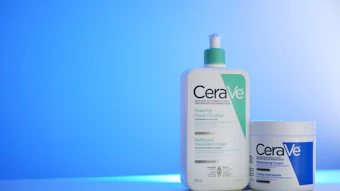
From Tank's report, cosmetics are a hot category during Christmas. ChatGPT recommends Charlotte Tilbury the most, with a high mention score of 30, followed by Estee Lauder (18), Clinique (9) and Look Fantastic (9).
AI Advice from the Experts
Small businesses could miss out on income if larger retailers dominate search results. To improve visibility in AI search, retailers need a GEO strategy that comprises five key services: search engine optimization (SEO), content, digital PR, brand PR and social. Tank provides advice from experts in each category below.
Meaningfully-Shaped SEO
Jake Cassedy, SEO lead at Tank, said, “As generative AI tools like ChatGPT and Google’s AI Overviews shape the way people search, the focus is shifting from ranking for clicks to being cited as a trusted source. Now it's less about just getting the click and more about being part of the conversation in a meaningful way.
Cassedy added, “To stand out, brands should build content around clear, specific questions their audience is asking. Well-structured pages, smart internal linking and clear but natural language all help AI understand what your site is about and when to surface it in responses. Relevant mentions, links and positive reviews from across the web will also help to strengthen your authority and validate your brand as a credible source.”
Immediate Answers. Relevant Content.
Humairaa Habib, senior content specialist at Tank, advised, “ChatGPT says its shopping feature rankings are based on relevance, so your content needs to be as tailored as it can be to your customers. Answer search queries through articles or frequently asked questions, while ensuring the responses can easily be lifted by AI. It helps if paragraphs are direct, answer the question immediately and include detail."
Habib added, “Content like case studies and reviews also demonstrates expertise and trustworthiness to increase your chances of being mentioned. Customers now want fast answers, so make sure your content is scannable but still interesting to read for humans.”
Consistent Coverage and Newsworthy Insights
James Watkins, head of digital PR at Tank, explained, “A strong brand and consistent press coverage help to improve visibility in AI search, and high-quality links achieved through digital PR play a key role because they create authoritative, repeated conversations around your brand. When you’re frequently mentioned or linked to by reputable publications, especially specialist or trusted media, it signals to AI systems that you’re credible, relevant and safe to surface in their responses. Just as traditional search rewards expertise and authority, generative AI increasingly leans on signals of brand trust to determine which names appear first.”
Watkins added, “To get started, brands should focus on producing genuinely newsworthy stories that tie into their expertise, supported by data, insights or creative assets that journalists want to cover. Pairing this with a consistent digital PR strategy, from reacting to trending conversations to running larger hero campaigns, builds a footprint of high-quality mentions over time. The key is to ensure your brand shows up in the right places, often enough, and with something valuable to say. Do that, and you lay a strong foundation for improved visibility across both traditional and AI-driven search.”
Strategic Cultural Capital
Martyn Gettings, head of digital PR at Tank, said, “Retailers like John Lewis & Partners rank highly at this time of year because they’ve built decades of cultural capital around Christmas. That kind of constant visibility really matters. AI systems lean heavily on reputation signals, and if your brand isn’t being referenced regularly and in the right contexts, you risk being filtered out before a customer even sees you.
Gettings explained, “Brand PR helps to shape how your brand is understood by humans and machines. You don’t always need a huge budget, but you do need a clear plan for creating moments, conversations and relevance throughout the year, not just hoping for visibility when you need it most. So you need to plan brand moments strategically, and not as an afterthought.”
Meeting AI Algorithms
Stuart Tongue, social lead at Tank, said, “Search everywhere means people are turning to a range of sources, including social media, to find answers. Reddit is commonly cited in AI search results, and Google AI Overview also links to YouTube videos and Instagram reels. So while you need a presence on the channels your customers are using, you should also create videos that answer common questions and meet the AI algorithm's preferences.
Tongue continued, “Consider splitting your social media strategy into two sections. The first being a 70% split for your usual engagement-based and brand awareness tactics, while 30% focuses on a more SEO-based method. This is where content is created to answer frequently asked questions such as ‘best’ or ‘how to’ questions."