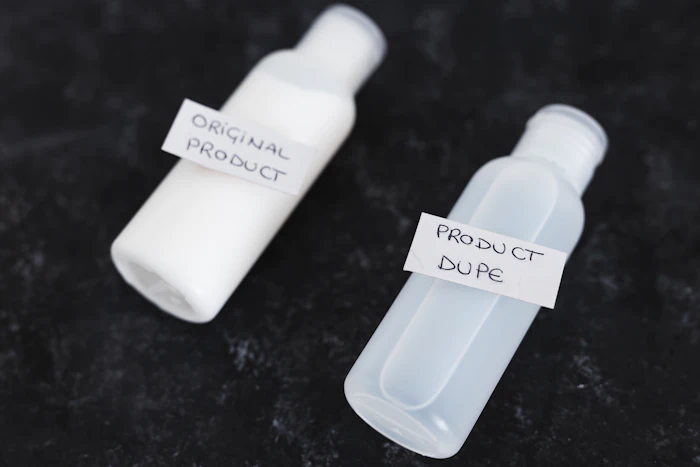
At this point it’s safe to say that dupe culture isn’t going anywhere anytime soon. Which means neither are dupe-related legal disputes. If you are a decision-maker at a cosmetic brand—whether it’s a prestige brand that is a target for dupes or one that wants to provide lower-cost alternative—you might be wondering how the legal analysis plays out in real life.
This article is only available to registered users.
Log In to View the Full Article
At this point it’s safe to say that dupe culture isn’t going anywhere anytime soon. Which means neither are dupe-related legal disputes. If you are a decision-maker at a cosmetic brand—whether it’s a prestige brand that is a target for dupes or one that wants to provide lower-cost alternative—you might be wondering how the legal analysis plays out in real life.
Unfortunately for the law nerds, most of the dupe disputes have settled out of court; so far there has been only one actual court decision involving dupes in the cosmetic industry, and that’s the Benefit Cosmetics v. e.l.f. Cosmetics case that came down in December 2024 (Benefit Cosmetics LLC v. E.L.F. Cosmetics, Inc. 2024 WL 5135604 (N.D. Cal. Dec 17, 2024)). Benefit sued e.l.f. alleging trademark and trade dress infringement, claiming e.l.f.’s Lash'N Roll mascara was a knockoff of their Roller Lash mascara, copying their packaging, branding and name. For now, this case is our best guide to how courts examine trademark infringement in the context of cosmetic dupes.
The Likelihood of Confusion Test
The test for trademark (or trade dress) infringement is, ultimately: Is it likely that consumers will be confused into thinking a product comes from Brand A when it really comes from Brand B?
Each circuit in the U.S. federal court system has its own version of the infringement test, but in essence, they all look at similar factors: (1) the strength of the plaintiff’s trademark or trade dress, (2) the similarity of the goods, (3) the similarity of the marks or designs, (4) evidence of any actual confusion, (5) the similarity of marketing channels, (6) the sophistication of the purchasers or the level of care they likely use, (7) the defendant’s intent, and (8) the likelihood of expansion of the product lines.
In case eight factors wasn’t complicated enough, there is also no rule that says you have to “win” a certain number of factors, and the importance of each factor varies from case to case. Clear as a mud mask, isn’t it?
The way some of these factors were decided in Benefit v. e.l.f. might surprise you.
Cosmetic Consumers Are Considered Sophisticated or Careful Purchasers
The purpose of the “sophistication of the purchaser” factor is to account for the fact that when people are more discerning and careful about a purchase, they are less likely to be confused by similar trademarks. For example, you would expect a purchaser to be careful and thoughtful about purchasing something expensive like an appliance or a car.
You might think that mascara that costs between $7 and $29 wouldn’t be given the same treatment as appliances and cars, but the court in Benefit found that the degree of customer care weighed against a likelihood of confusion. This aligns with other courts in the past that have determined skin care purchasers tend to be very careful and brand-conscious. Low cost does not necessarily mean low level of care.
Sales Channels Can Be “Different” Even within the Same Retailer
Benefit and e.l.f. both sell their mascaras at Target and Ulta brick-and-mortar stores and on those retailers’ websites. Benefit argued there was a probability of confusion because the products are sold at some of the same stores and same websites—these would appear to be identical sales channels.
Surprisingly though, the court decided this overlap was not favorable to a likelihood of confusion because within these Target and Ulta stores, prestige brands like Benefit are separated from mass brands like e.l.f., and both stores use brand blocking. And on the Target and Ulta websites, the brand is always listed before the product name, making the source clear.
Intent to Copy ≠ Intent to Deceive
Take one look at the two mascaras side by side and it’s clear the similarities are not a coincidence. In fact, e.l.f. did not deny that their intention was to “cue” the Benefit product. If e.l.f. copied Benefit on purpose, surely the intent factor is a win for Benefit, right? Nope. Trademark law does not punish the intent to copy; it punishes the intent to deceive consumers. Ultimately e.l.f.’s intentional duping did not matter because they were able to convince the court that they copied Benefit’s product features for reasons other than trying to trick consumers.
Because of this distinction between intent to copy and intent to deceive, the court found the “intent” factor to weigh slightly in e.l.f.’s favor.
All things considered, the court found that only two factors—the strength of Benefit’s marks and the similarity of the goods—favored Benefit, and these factors were not enough to overcome Benefit’s deficiencies on the other factors.
Lessons Learned and a Path Forward
Other legal experts have described this case as razor thin. Meaning that whichever side you might be on, the duper or the duped, you should not view this as a green light or a dead end. There is likely to be significant new law on the “dupe” analysis over the next five years.
From the prestige brand side, the court’s analysis indicates that a plaintiff should build a confusion case before suing, in particular if the products have been coexisting for a significant period of time. This could be done via a survey or significant actual confusion evidence, if it exists. If a company sees social media comments, returns or customer service contacts suggesting confusion, capture and preserve that evidence immediately. Don't wait until litigation.
A distinctive trade dress could also cut against the brand’s litigation story. The court found Benefit's trade dress commercially strong and distinctive, but that strength made confusion less likely, not more, because sophisticated beauty consumers know the difference.
Despite the court’s decision, brands wanting to dupe should not see this as free reign to do whatever they want. Inspiration does not necessarily equal infringement, but it is not without risk. Even if litigation may result in a favorable result, it could still result in … litigation. Most business partners do not feel great about spending the time, effort, and resources to be tied up in a multi-year court battle.
However, in this instance, the court provides guidance on a few things that help set the dupe apart.
First, having a legitimate branding narrative matters. E.l.f. showed its product and packaging were consistent with its broader musical theme branding—Lash 'N Roll—fit alongside Lash It Loud and Lash Beats.
Further, marketing and evidence around the consumer awareness of the dupe relationship is your friend if you are the duper. E.l.f.'s customers appeared to be fully aware they were buying a more affordable product, not Benefit's. The dupe culture itself, where consumers actively seek cheaper alternatives, helped establish there was no deception.