As consumers increasingly turn to ChatGPT, Gemini and other AI tools for product recommendations, ingredient advice and beauty comparisons, the rules of brand discovery are changing. Simply ranking in traditional search results may no longer be enough. Beauty brands also need to ensure they are recognized, cited and accurately represented in AI-generated answers.
That’s the central message of 5W’s 2026 Beauty AI Visibility Index, which analyzes brand visibility across five AI platforms using more than 80 consumer prompts. Its findings point to a growing advantage for brands that combine ingredient transparency, expert credibility, strong product differentiation and a broad digital footprint.
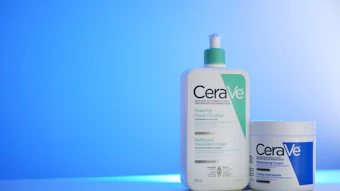
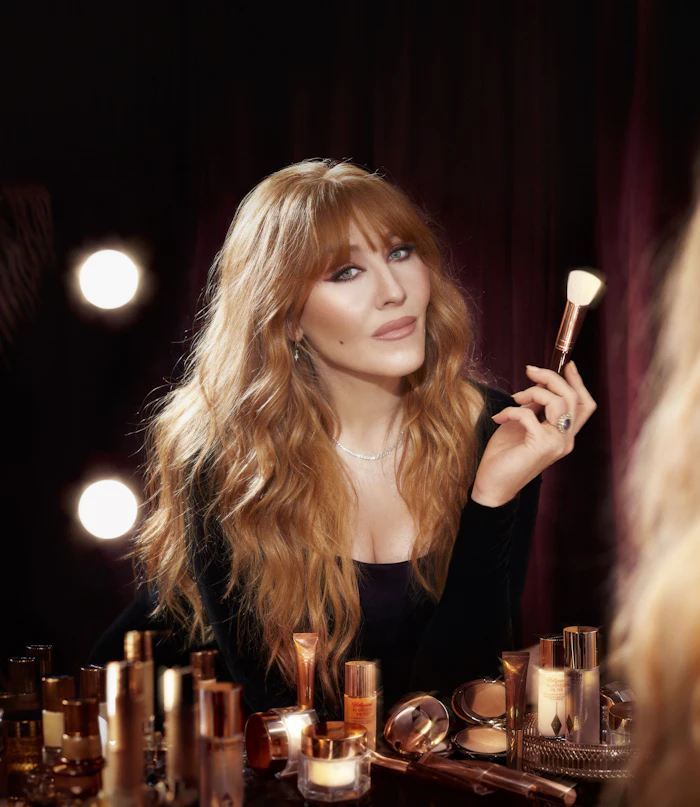
Leading the index are The Ordinary, with an estimated 7% AI citation share, followed by CeraVe at 6% and Sephora at 5.5%. La Roche-Posay and Charlotte Tilbury follow at 5% and 4.5%, respectively. The results highlight different routes to visibility, from The Ordinary’s ingredient-led positioning and CeraVe’s dermatologist-developed credentials to Sephora’s extensive retail content ecosystem.
The report identifies distinct patterns across AI platforms. ChatGPT favors ingredient-specific queries and recognizable hero products, while Claude places greater emphasis on clinical credentials and ingredient documentation. Perplexity draws on specialist beauty editorial and expert commentary, while Gemini shows stronger connections to retailer-owned content and shopping information.
For beauty marketers, the implications extend well beyond search engine optimization. Product pages, ingredient explainers, clinical evidence, retailer buying guides, expert commentary and third-party editorial coverage all contribute to the information landscape that AI tools draw upon.
Hero products are another important factor. Products such as SkinCeuticals C E Ferulic, Olaplex No. 3 and K18's Leave-In Molecular Repair Hair Mask illustrate the value of clear product-to-benefit associations. Rather than trying to establish authority across an entire portfolio at once, brands can reinforce distinctive ingredients, formulations and performance claims around products consumers already recognize or actively seek.
The index also underscores the importance of sustained visibility. Seasonal demand, product launches, editorial momentum and retail content can shift a brand's presence in AI-generated answers. That makes ongoing monitoring across platforms and consumer queries increasingly relevant, particularly as AI-driven discovery tools evolve.
For brands, the message is clear: being visible is no longer just about being found. It's about becoming a credible answer. Investing in science-backed product education, consistent digital information and meaningful third-party authority could help beauty companies strengthen their position as AI becomes a more prominent part of the consumer shopping journey.
The index's citation shares are estimates, not measures of sales, consumer preference or purchase conversion. Its findings reflect a specific measurement period and should be viewed as directional rather than definitive.