Asian cosmetics continue to solidify their position as one of the most dynamic drivers of the global beauty industry. Projectionsa estimate a compound annual growth rate (CAGR) of between 5% and 8.5% in the Asia-Pacific region, which is expected to expand from a market valued at $141.32 billion as of 2025 to approximately $234.39 billion by 2032. This expansion will reinforce its position as the region with the largest share of the global cosmetics market.
Asian beauty has established itself as the world's leading laboratory for cosmetic innovation thanks to the convergence of three complementary models. China drives science and scalability through biotechnology, bioengineering and the development of new ingredients. South Korea transforms innovation into mass-market consumer experiences through disruptive formats, high-sensory appeal and visible results in a short time. Japan leads the way in cosmetic precision with a preventative approach, supported by scientific evidence, artificial intelligence and predictive tools geared toward long-term skin health.
The interaction of these ecosystems is accelerating a new generation of solutions based on proven efficacy, hyper-personalization, advanced digital technologies and increasingly precise delivery systems. As a result, Asia is not only setting trends but also redefining the future of beauty through the convergence of science, technology, and consumer experience.
As a result of this evolution, new opportunities for inspiration are emerging for the Western market. Below, we present 10 trends from the Asian ecosystem that could redefine cosmetic product development in the coming years.
10 Asian Beauty Trends Set to Redefine Cosmetic Innovation
- Cosmetogenemics: Skin biomarkers, metabolomics, transcriptomics and the microbiome will define the markers of skin and hair longevity. We are seeing an increase in applications for facial diagnostics and skincare routine recommendations, as well as the development of products designed for specific genomes. Key technologies will include targeted peptides, next-generation exosomes that act on different layers of the skin and hair, growth factors, and epigenetic modulators.
- Precision fermentation: It is the use of engineered microorganisms to produce high-purity cosmetic molecules through increasingly automated processes. Key innovations will focus on enhancing efficacy from within, refining the actions and delivery systems for hero ingredients such as bakuchiol, resveratrol, ceramides, ectoine and recombinant elastin.
- Cosmetic secretome: Extracellular vesicles and cellular metabolites for skin regeneration. We will see the technological evolution from plant exosomes to microbial exosomes and thus consolidate a new chapter of designed secretomes.
- Intelligent barrier: An evolution of the “repair barrier” concept toward more specific and multifunctional actions for measurement, adaptation and generation. The new technological leaders will be biomimetic lamellar structures, engineered ceramides, functional lipids and adaptive films. Hydration claims will evolve towards skin homeostasis. At conferences and in scientific publications, we are witnessing a boom in new technologies specializing in barrier protection.
- Skin management: Longevity will remain a central focus, but it will evolve into a scientific, preventative, sensory and transgenerational routine. This extends to sun care, body care and hair care, resulting in skin and body that function better for longer. Some technologies that will continue to evolve include NAD+ boosters, spermidine, ergothioneine, urolithin and mitochondrial peptides.
- Beauty by design: Cosmetic formulation enters the era of algorithmic design, using AI models to design formulas before they even enter the lab. In other words, a formulator will work alongside an "R&D co-pilot" evaluating claim design, ingredient compatibility, cost optimization, sensory prediction, and prediction of efficacy and stability.
- Digital twin: Japan and China are currently developing predictive aging models. In five to 10 years, every consumer will have a digital replica of their skin, where they can simulate future wrinkles and blemishes, loss of elasticity and inflammation before they occur. Anticipating these signs will be the new way to approach beauty with increasingly personalized routines.
- Programmable cosmetics: Inspired by precision medicine, a single product can change its efficacy profile according to the skin's condition. A formula can release more antioxidants if it detects ROS, specific anti-inflammatory actives if it detects stress and more hydrating actives if it detects dehydration—all from the same application.
- Skip care: Asian cosmetics are evolving towards simpler and more efficient routines, driven by consumers seeking practicality without compromising results. The “skinimalism” trend promotes reducing the number of steps through multifunctional formulas that hydrate, protect and repair the skin simultaneously. Instead of lengthy routines with 10 or more products, new offerings prioritize multi-action mechanisms, better user experience and comprehensive benefits, promoting healthy skin with less time, fewer products and less environmental impact.
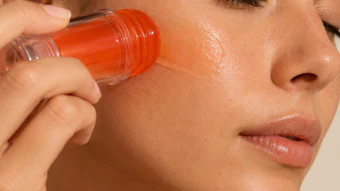
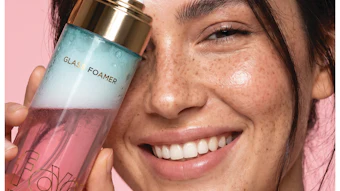
- Glow skin: Although aesthetic ideals evolve, the pursuit of luminous, even-toned and healthy skin remains a dominant trend. The goal is no longer artificial perfection, but a naturally radiant appearance that reflects hydration, a healthy skin barrier and overall well-being. This trend drives the development of products that progressively improve the skin's radiance, texture and overall quality.
Asia no longer just inspires the cosmetics industry; it is redefining how we understand beauty, health and longevity for future generations; when China's scale, Korea's creativity, and Japan's precision converge, the future of beauty is born.
FOOTNOTE
ahttps://www.fortunebusinessinsights.com/asia-pacific-cosmetics-market-114168