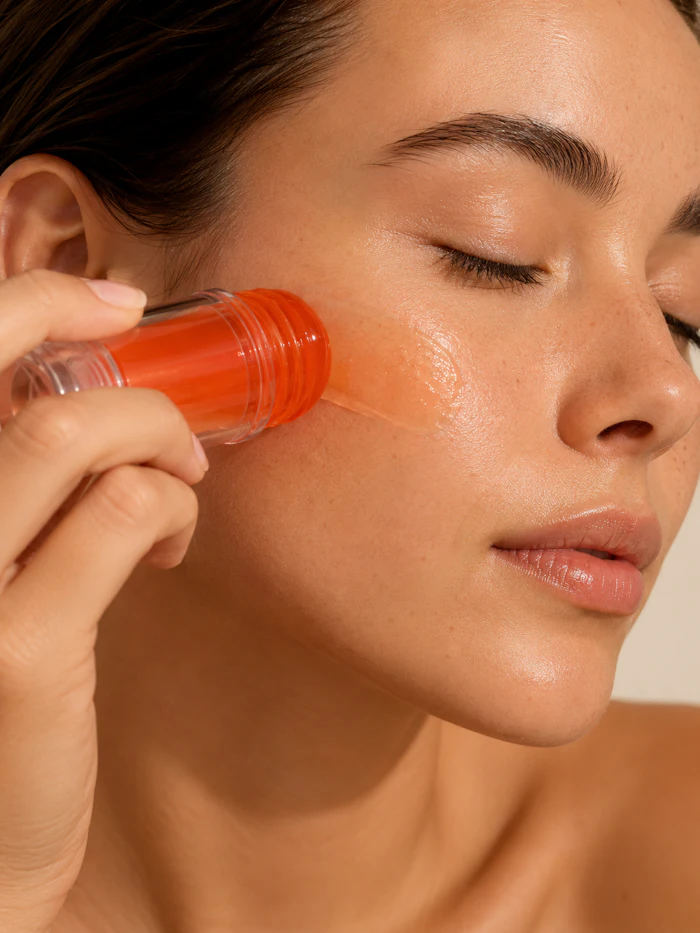
As skin care evolves beyond traditional anti-aging and trend-driven innovation, the next generation of winning products will be defined by a powerful combination of science, sensory appeal and digital discoverability. Today’s consumers—and the AI platforms and creators influencing their decisions—are looking for clear benefits, credible claims and ingredients that deliver measurable performance. From longevity-focused botanicals and next-generation UV protection to barrier-supporting cleansers, biotech-powered actives and elevated lip care formats, these innovations showcase the technologies helping brands create products that stand out across retail shelves, recommendation engines and social platforms.
Here, we explore ingredients and concepts designed for brands seeking to harness the future of skin care.
24/7 Slugging Lip Mask Reimagines the Trend with Day-to-Night Barrier Comfort
The next evolution of lip slugging is moving beyond heavy occlusion to deliver flexible, wearable moisture protection. California-based contract manufacturer Cosmetic Group USA's 24/7 Slugging Lip Mask | Day + Night uses a shared cushiony lipid technology built from emollients, waxes, butters and sensorial modifiers to create two distinct experiences: a lightweight, non-sticky jelly balm for daytime wear and a richer overnight treatment designed to envelop lips in nourishing comfort.
 California-based contract manufacturer Cosmetic Group USA's 24/7 Slugging Lip Mask | Day + Night uses a shared cushiony lipid technology built from emollients, waxes, butters and sensorial modifiers to create two distinct experiencesCosmetic Group USA
The innovation addresses a key challenge with traditional slugging—delivering long-lasting moisture without a heavy, greasy feel. The Day formula uses lightweight lipids, structured waxes, butters and soft-focus texturizers to create a breathable moisture-sealing layer that provides the protective benefits consumers expect from slugging while remaining comfortable under makeup.
By combining barrier-supporting performance with elevated sensory design, the dual-ended format reflects a broader lip care trend: consumers are seeking products that deliver visible comfort and protection while fitting seamlessly into daily routines. The result is a modern take on slugging that balances cushion, adhesion and wearability from morning through night.
Harnessing Nature’s Circadian Code for Overnight Skin Renewal
Mibelle Biochemistry’s LunaRose brings the power of nature’s circadian intelligence to overnight skin care. Derived from the rose hips of a unique organic Rosa rugosa hybrid grown in Finland, this active delivers melatonin-like effects to help support nighttime skin regeneration, mitochondrial function and barrier renewal. Backed by in vitro and in vivo studies, LunaRose reportedly helps improve radiance, hydration and skin smoothness while reducing sleep wrinkles, redness and the visible signs of fatigue, unlocking a more rested, rejuvenated complexion by morning.
 Mibelle Biochemistry’s LunaRose brings the power of nature’s circadian intelligence to overnight skin care.KATRIN BOLOVTSOVA at Adobe Stock
"LunaRose mimics melatonin’s effects by activating similar biological pathways that regulate the skin’s circadian rhythm and support overnight repair," says Katharina Kappler, Ph.D., senior scientific project manager at Mibelle Biochemistry. "In human epidermal keratinocytes, treatment with LunaRose significantly increased the expression of the melatonin receptor MTNR1A, comparable to the effect of melatonin itself. The receptor activation by melatonin is known to trigger downstream gene expression changes involved in circadian rhythm, antioxidant defense, and mitochondrial function. Just like melatonin, LunaRose induced a time-dependent expression pattern of core clock genes such as BMAL1, CLOCK, PER2, and CRY2, helping synchronize the skin’s natural rhythm. Additionally, genes linked to antioxidant response and mitochondrial activity were upregulated by LunaRose, enhancing cellular protection and energy metabolism. This melatonin-like action may be partly due to LunaRose boosting melatonin receptor levels, amplifying the skin’s ability to respond to melatonin and restore its natural overnight renewal cycle."
Kappler adds, "LunaRose enhances mitochondrial function, which is essential for maintaining the skin’s energy and vitality. In human epidermal keratinocytes, LunaRose upregulated key genes involved in mitochondrial processes, including those responsible for electron transport and ATP synthesis. It also stimulated genes linked to mitophagy, the selective removal of damaged mitochondria, ensuring a healthy mitochondrial network. This genetic activation translates into improved mitochondrial performance. In a Seahorse assay measuring realtime oxygen consumption—a direct indicator of mitochondrial activity—cells treated with LunaRose showed increased basal respiration, maximal respiration, and ATP production. These improvements mean that skin cells generate more energy, supporting vital metabolic processes and repair mechanisms during the night. By boosting mitochondrial efficiency and energy output, LunaRose helps the skin maintain its vitality, resilience, and ability to rejuvenate overnight, contributing to a fresher, more radiant appearance."
Finally, she says, "LunaRose strengthens the skin barrier by promoting keratinocyte differentiation and enhancing structural cohesion, which helps protect against environmental stressors. In human epidermal keratinocytes, treatment with LunaRose upregulated key genes involved in barrier formation, including markers of keratinocyte differentiation essential for building a resilient stratum corneum. Additionally, LunaRose boosted the expression of genes critical for corneodesmosome formation, which ensures strong cell-to-cell adhesion, and the gene encoding kallikrein-related peptidase 7, which regulates controlled desquamation. It also increased the expression of the water transporter aquaporin-3 that supports optimal hydration. These molecular changes translate into a stronger, more cohesive barrier that retains moisture and resists external aggressors. This effect was confirmed in a placebo-controlled clinical study: after 28 days of using a cream with 2% LunaRose, transepidermal water loss (TEWL) decreased by 12.4% compared to baseline and by 7.3% versus placebo, indicating improved barrier integrity. Skin hydration also rose significantly, reinforcing the barrier’s ability to maintain suppleness and resilience."
Beyond Anti-Aging: Menopause Skin Takes Center Stage
Menopause is a global life stage affecting hundreds of millions of women, with the World Health Organizationa noting that menopause typically occurs between ages 45 and 55 and that women aged 50 and older represented 26% of all women and girls worldwide in 2021—a population expected to continue growing as life expectancy rises.
The transition is driven by declining ovarian function and falling estrogen levelsb, which can have a profound impact on skin health: reduced estrogen signaling is associated with decreased collagen production, thinner epidermal structure, lower moisture levels, diminished elasticity, increased dryness, fine lines and wrinkles, greater sensitivity, and slower wound healing.
 As the global population of menopausal and postmenopausal women expands, these changes are driving increased interest in hormone-informed skin care approaches designed to address hydration, barrier function, collagen support and the broader concept of “menopausal skin” as a distinct category of beauty and wellness needs.RDNE Stock project at Adobe Stock
Research has shown a strong relationship between estrogen deficiency after menopause and loss of dermal collagenc, a key structural protein responsible for firmness and resilience, contributing to accelerated visible skin aging during this phase. As the global population of menopausal and postmenopausal women expands, these changes are driving increased interest in hormone-informed skin care approaches designed to address hydration, barrier function, collagen support and the broader concept of “menopausal skin” as a distinct category of beauty and wellness needs.
"Menopausal skin is receiving long-overdue attention as brands recognize the profound biological shifts that occur during this life stage," says Michelle Chavez, chief commercial officer at Accupac, a contract development and manufacturing organization. "Declining estrogen levels can reduce collagen production, weaken the skin barrier, and accelerate dehydration, leading to visible changes in elasticity, tone, and texture. As a result, brands are moving toward more targeted formulations that focus on helping restore core skin functions—such as barrier strength, cellular renewal, and moisture retention—rather than simply masking symptoms."
She adds, "Advances in biotechnology and ingredient engineering are playing an important role in these solutions. Fermentation-derived peptides, microbiome-supporting actives, and lab-developed structural proteins are being used to help reinforce collagen networks and rebuild resilience in mature skin. Ingredients such as bioengineered collagen fragments, barrier-supporting lipids, and red algae extracts that address cellular aging are helping improve firmness and elasticity while supporting long-term skin vitality."
Finally, says Chavez, "At the same time, consumers navigating menopause are increasingly looking for products that demonstrate meaningful improvements in hydration, skin texture, and overall skin quality. This is influencing formulation strategies that combine immediate sensorial benefits—such as cooling gels, plumping serums, and nourishing textures—with ingredients designed to strengthen the skin over time."
Accupac’s Cobalt Labs Growth Signal Night Cream and Cellular Vitality Reset showcase longevity-inspired approaches to menopausal skin care, combining biomimetic science with next-generation aging strategies. The Growth Signal Night Cream uses plant-derived, growth factor–inspired actives to support overnight skin regeneration, helping stimulate collagen production while strengthening the skin barrier. Cellular Vitality Reset, a senolytic gel-cream featuring an eco-designed red algae extract, targets cellular waste associated with aging signals to help promote skin resilience and firmness.
Together, the concepts reflect a broader shift toward proactive skin longevity solutions designed to address menopause-related concerns such as collagen decline, barrier weakening and loss of skin vitality.
Advancing Barrier Care With Oil-Powered Botanical Bioavailability
Symrise's SymConcentrole Barrier Boost is a 100% natural-origin, eco-designed active that pairs upcycled pineapple hearts with organic coconut/MCT oil to reinforce the skin barrier while improving firmness and elasticity. By boosting key epidermal proteins such as filaggrin and involucrin alongside structural components including fibrillin-1 and decorin, the ingredient delivers a dual-action approach that leaves skin stronger, smoother and more resilient.
"For SymConcentrole Barrier Boost, the SymFrequency extraction in coconut or MCT (medium-chain triglycerides) oil can improve the stability and practical bioavailability of triterpenoids because it keeps these lipophilic compounds in a protective fat phase instead of exposing them to water or harsh solvent processing," says Gauthier Beck, global product manager botanicals, Symrise. "Triterpenoids dissolve better in oils, so the active material is less likely to precipitate, degrade, or be lost during extraction and storage. Coconut and MCT oils also tend to be more oxidation-resistant than many unsaturated carrier oils, which helps preserve sensitive plant compounds over time. Compared with water-based methods, the oil phase avoids poor solubility and hydrolysis. Compared with conventional organic solvents, it can reduce handling losses and eliminate a separate solvent-removal step."
Beck adds, "SymConcentrole Barrier Boost demonstrates robust barrier-strengthening efficacy through targeted in vitro and ex vivo studies on human keratinocytes and skin equivalents. In vitro assays reveal statistically significant upregulation of filaggrin (essential for keratin filament bundling and stratum corneum hydration), involucrin (cross-linked cornified envelope protein enhancing mechanical resilience), caspase-14 (protease driving filaggrin processing and barrier lipid maturation), fibrillin-1 (microfibril scaffold for elastic fiber assembly in dermis), and decorin (small leucine-rich proteoglycan regulating collagen fibrillogenesis and extracellular matrix integrity)."
He continues, "Ex vivo human skin models confirm markedly elevated filaggrin, fibrillin-1, and decorin protein expression, alongside quantifiable increases in epidermal thickness (assessed histologically) and structural cohesion (via intercellular junction integrity). These findings provide mechanistic depth for barrier maturation and dermal support, complemented by sensory tests for consumer-perceived efficacy."
The New Science of Skin Longevity: From RNA Signals to Plant-Powered Exosomes
Biocogent's RNActivate W represents a new frontier in skin longevity, harnessing RNA-based technology and a proprietary delivery system to precisely target microRNA signals linked to visible aging. By helping restore the skin’s natural production of collagen, elastin and key extracellular matrix proteins, this advanced bioactive ingredient supports improved firmness, elasticity, smoothness and resilience—addressing the root signaling pathways behind wrinkles rather than simply masking their appearance.
 Biocogent's RNActivate W represents a new frontier in skin longevity, harnessing RNA-based technology and a proprietary delivery system to precisely target microRNA signals linked to visible aging.Manuel Kapunkt at Adobe Stock
He adds, "RNActivate W represents a paradigm shift for the cosmetic care industry to allow for precision biotech skin care that supports the skin’s natural biological communication involved in the maintenance of a youthful appearance. In that regard, one could envision multiple product formats that could capitalize on its exceptional efficacy: a daily facial serum, a night repair serum, an undereye treatment, a sheet mask, and certainly neck and decollete regimens."
Global Cosmetic Industry also asked Lawrence how product developers creating clinical or dermatologist-branded skin care could we best structure consumer-facing trials or visual assets to back up claims like “strengthens skin from within."
"The phrase 'strengthens skin from within' is an attractive marketing phrase that can be supported through examinations of the extracellular matrix integrity, barrier integrity, dermal resilience, and resistance to environmental stressors," Lawrence noted. "From these tests, there will be molecular biology (gene expression) evidence (already shown for RNActivate W), protein and tissue evidence (already shown for RNActivate W), biomechanical tests (already shown for RNActivate W) and consumer perception surveys."
Meanwhile, dsm-firmenich has relaunched its Alpaflor portfolio, marking 25 years of its Alpine plant-based bioactive platform with a renewed focus on skin longevity, resilience and climate adaptation.
Inspired by the ability of Alpine plants to thrive under intense UV exposure, extreme temperatures and other environmental stressors, the refreshed range features 10 clinically tested bioactives designed to support hydration, barrier function, regeneration and well-aging. The company said its Alpine botanicals are cultivated at optimal high-altitude locations to maximize the concentration of protective phytochemicals.
According to dsm-firmenich, the standardized extracts are positioned to support emerging neurocosmetic and longevity-focused skin care claims, with applications spanning climate-adaptive skin care, anti-pollution, skin rejuvenation, barrier repair, prebiotic care for oily skin and soothing solutions for sensitive skin. The expanded portfolio includes ingredients such as Alpaflor Neurosmooth, Alpaflor Edelweiss CB, Alpaflor Gigawhite CB and Alpaflor Alp-Sebum CB, reinforcing the company's emphasis on nature-inspired, science-backed bioactives for next-generation skin care formulations.
Elsewhere, Symrise is advancing longevity skin care with Cellexora MD, an active powered by plant-derived exosomes from upcycled organic apple side streams in Italy. Designed to support deep skin regeneration and long-term vitality, the 100% natural-origin ingredient uses extracellular vesicles as biological messengers to enhance cell communication across key skin cells, including keratinocytes, fibroblasts and macrophages.
Backed by scientific characterization and clinical data showing improvements in wrinkles, firmness and skin resilience within 30 days, Cellexora MD reportedly brings a new level of efficacy, transparency and sustainability to premium well-aging formulations.
"The exosomes of Cellexora MD are internalized by keratinocytes, fibroblasts and macrophages, where they act as biological messengers helping modulate intercellular communication," says Héloïse Bouchez, global product manager advanced actives, Symrise. "They support genomic stability, autophagy and dermo-epidermal adhesion by stimulating Collage XVII in keratinocytes, they help stimulate fibroblast extracellular matrix production (total collagen, collagen III and fibrillin‑1), and help reduce pro-inflammatory markers signaling in macrophages, creating a regenerative skin micro‑environment. The most implicated pathways relate to DNA damage response, autophagy/proteostasis, and extracellular matrix organization, explaining the observed collagen and elasticity benefits.
"Cellexora MD is positioned as [having] true exosomes through physical characterization with TEM imaging, TRPS and NTA to analyze particle size and vesicles’ quantification, and biochemical characterization with OMICs profiling (lipids, proteins, microRNAs)," says Héloïse Bouchez, global product manager advanced actives, Symrise. "Stability and batch‑to‑batch reproducibility are demonstrated by zeta‑potential measurements, controlled size distribution and particle size number, and a spray‑drying process ensuring consistent performance and formulation robustness. This multi‑level characterization clearly differentiates Cellexora MD from exosome‑mimetic or synthetic vesicle systems that lack clarity on cargo complexity and biological functionality."
Finally, Provital’s Intensilk brings a longevity-inspired approach to body care with a multi-omic botanical active designed to reshape the look of skin affected by cellulite. Derived from locally sourced apple flower, the premium ingredient targets both adipocyte metabolism and tissue architecture to improve the appearance of cellulite bumps, firmness and skin texture—supporting a smoother, tighter and healthier-looking body silhouette.
 Provital’s Intensilk brings a longevity-inspired approach to body care with a multi-omic botanical active designed to reshape the look of skin affected by cellulite. Ron Lach at Adobe Stock
Per the company, "At its core, the ingredient targets adipocyte energy metabolism by mimicking a caloric restriction state. Through phlorizin’s interaction with glucose transport (SGLT pathways), it reduces cellular glucose uptake, triggering an internal energy deficit signal. This cascade is claimed to push fat cells toward increased lipid utilization rather than storage."
The company notes that Intensilk targets more than 1,000 genes and 200+ proteins involved in energy metabolism, inflammation and tissue architecture, supporting lipolysis, reduced adipogenesis, and enhanced collagen and elastin production.
In a 56-day clinical study, Intensilk reportedly demonstrated visible improvements in body contours, including up to 6 cm thigh reduction, a 12% decrease in hypodermal thickness, and gains in firmness, elasticity and hydration. Its effects can be further amplified through mechanical stimulation, reflecting the rise of bio-mechanical approaches in advanced body care.
Solid Cleanse, Soft Finish: The Science Behind a Ceramide-Powered Cleansing Stick
California-based contract manufacturer Cosmetic Group USA's BioBarrier Ceramide Cleansing Oil Stick advances the cleansing stick format with a ceramide-powered oil-gel technology designed to remove makeup, sunscreen and daily buildup while preserving skin comfort. The solid formula uses a structured oil-gel system that melts during application, combining jojoba and sweet almond oils to dissolve impurities with botanical oils that leave skin feeling conditioned rather than stripped.
 California-based contract manufacturer Cosmetic Group USA's BioBarrier Ceramide Cleansing Oil Stick uses a structured oil-gel system that melts during application, combining jojoba and sweet almond oils to dissolve impurities with botanical oils that leave skin feeling conditioned rather than stripped.Cosmetic Group USA
When activated with water, the formula transforms into a lightweight, milky rinse for thorough removal without the greasy residue often associated with oil-based cleansers. The addition of ceramides supports a barrier-friendly after-feel, reflecting the broader shift toward cleansers that do more than remove products—they help maintain skin balance and support overall skin health.
The Preventative Skin Care Shift
"Preventative skin care is becoming a defining behavior among younger consumers, driven by a convergence of digital transparency, longevity culture and access to personal diagnostics," says Accupac's Chavez. "Gen Z and younger millennials have grown up seeing real-time skin care results across social platforms, where before-and-after imagery and ingredient education have created a more informed and ingredient-aware consumer base."
She adds, "Technology is also playing a role in shaping these habits. AI-powered skin diagnostics, at-home skin scanning tools, and retailer-led testing platforms allow consumers to monitor factors such as hydration levels, elasticity, and pigmentation over time. As a result, product development increasingly focuses on formulas that provide both immediate visible improvements and long-term benefits."
 "Gen Z and younger millennials have grown up seeing real-time skin care results across social platforms, where before-and-after imagery and ingredient education have created a more informed and ingredient-aware consumer base," says Accupac's Chavez. cottonbro studio at Pexels
Chavez adds, "For younger consumers, preventative care is less about reversing aging and more about maintaining skin vitality over time. In response, brands are developing formulations designed to protect, strengthen and support skin earlier in its lifecycle."
On the preventative ingredient front, Biocogent's DermalRx LuShield NAT is an anti-aging active derived from a proprietary extract of the Osmanthus fragrans shrub designed to combat one of the key drivers of visible skin aging: advanced glycation end-products (AGEs). The ingredient is formulated to inhibit AGE formation, reduce AGE-induced cell toxicity, reverse fibroblast senescence and support the skin's extracellular matrix by promoting the expression of 18 genes associated with skin health.
In a four-week clinical study of 60 volunteers applying the ingredient twice daily, DermalRx LuShield NAT reportedly delivered statistically significant improvements versus placebo. All participants showed improvements in skin elasticity and firmness, with average gains of 16.62% and 16.48%, respectively. The ingredient also improved forehead lines in 86.67% of panelists and under-eye lines in 90%, while 100% experienced improvements in skin clarity, brightness and even skin tone. Redness was reduced in 93.33% of participants.
In building product claims, Biocogent's Paul Lawrence notes, "R&D teams experimenting with DermalRx LuShield NAT should look to biomarkers that address the following questions:"
- Is the ECM being supported? Type I collagen and other collagens.
- Is degradation of the ECM being prevented? MMP inhibition, TIMP expression.
- Are fibroblasts more youthful? Reduction in SASP markers like beta-galactosidase activity and interleukin expression.
- Is oxidative stress being reduced? Use antioxidant assays.
- Is there clinical evidence of visible repair? Redness, clarity, skin tone, wrinkles, elasticity … to name a few.
As for ensuring claims are credible, Lawrence adds, "Within cosmetic care, 'pharmaceutical grade' statements should be avoided, but there is in vitro evidence that at certain concentrations DermalRx LuShield NAT functions as good as a pharmaceutical compound: pyridoxamine. There is sufficient biological evidence to support a marketing claim that this active ingredient helps to preserve the integrity of youthful skin before signs of aging arise by countering the accumulation of advanced glycation end-products (AGEs) in skin tissue, which is one of the key drivers of biological aging."
Beyond performance, the ingredient emphasizes sustainability through a traceable supply chain. Osmanthus fragrans flowers are hand-harvested in their native Far East habitat by village cooperatives, providing local income while supporting low-input cultivation. Production follows an ISO 9001-certified, no-waste process that repurposes plant byproducts for fertilizer or incense.
Unlocking the Next-Generation Bemotrizinol Sunscreens
Inolex has launched LexFeel Enhance MB, a new formulation technology designed to help sunscreen developers incorporate bemotrizinol, the recently FDA-approved UV filter, into more stable and sensorially appealing products.
Developed specifically for organic UV filter systems, LexFeel Enhance MB uses a polymer network designed to improve thermodynamic stability while helping formulators create sunscreens with enhanced protection and improved skin feel. The launch follows the U.S. approval of bemotrizinol, an ingredient that has been widely used in sunscreens across Europe, Asia and Australia for more than 20 years.
 Inolex has launched LexFeel Enhance MB, a new formulation technology designed to help sunscreen developers incorporate bemotrizinol, the recently FDA-approved UV filter, into more stable and sensorially appealing products.Ksenia Chernaya at Adobe Stock
According to Inolex, in-vivo testing showed that LexFeel Enhance MB helped evaluated UV filter systems achieve 25-30% higher SPF performance, with the potential to support SPF 50 formulations. The company also reported that just 5% usage of the ingredient was sufficient to solubilize 6% bemotrizinol for up to 12 weeks in sunscreen formulations.
The technology addresses a longstanding sunscreen challenge: consumer acceptance. While efficacy remains critical, texture and wearability continue to influence whether consumers apply and reapply sunscreen consistently. Inolex said LexFeel Enhance MB not only improves UV filter solubilization compared with traditional approaches but also enhances the overall sensory profile of finished products.
From Clinic to Cabinet: How Medical Aesthetics Is Redefining Skin Care
"Advancements in bioengineering and medical research are significantly influencing the way modern skin care is designed," says Accupac's Chavez. "Many professional treatments work by stimulating biological processes—collagen production, cellular renewal, pigment regulation, or barrier repair. Today’s cosmetic formulas increasingly aim to help activate those same pathways through sophisticated ingredient technologies."
She notes, "Fermented peptides, bio-designed structural proteins and cell-signaling ingredients derived from biotechnology are enabling topical products to help support skin recovery, resilience, and regeneration in ways that almost mirror clinical interventions. Delivery systems are also evolving—encapsulation technologies, targeted actives, and microbiome-supportive ferments help improve stability, penetration, and skin compatibility."
To illustrate this pro inspiration, Croda Beauty Actives has introduced Matrixyl Neolide, an advanced evolution of its Matrixyl peptide technology featuring patented encapsulation for enhanced stability and controlled peptide release over 15 days.
 Croda's Matrixyl Neolide's "clinically proven synergy with microneedling amplifies collagen I by 15% and collagen III by 31% versus dermaroller with a placebo, transforming the post-procedure window into a results-enhancing opportunity," says Anne Young, Croda's technical business development manager.Rosa Isela Sias Talamantes
The ingredient "shifts formulation from short-term dosing to continuous sustained biological signaling," says Philip Ludwig, business development manager, Croda. "Its encapsulated system delivers a fast initial release followed by sustained peptide release over 15 days, supporting consistent fibroblast activation due to the enhanced and sustained bioavailability."
He adds, "For post-aesthetic care, this enables simpler, more effective protocols—maintaining collagen stimulation, barrier repair, and inflammation control without the need for frequent reapplication or complex layering. The powerful soothing benefits of Matrixyl Neolide are especially helpful after aggressive in-office aesthetic treatments."
Anne Young, Croda's technical business development manager, adds that the technology delivers "+25% global skin firmness and -8.2% wrinkle density in just 15 days."
She adds, "Its clinically proven synergy with microneedling amplifies collagen I by 15% and collagen III by 31% versus dermaroller with a placebo, transforming the post-procedure window into a results-enhancing opportunity. For the growing world of devices and light-based therapies, Matrixyl synthe'6 is a powerful companion, reinforcing the collagen-stimulating effect of LED light therapy by up to +20% while boosting six key skin-rebuilding constituents."
Young notes, "For formulators, the design brief is clear: layer ceramide-based barrier support with sustained collagen-boosting actives proven to work in synergy with the procedures consumers are already investing in—formulating with ingredients that don't simply follow the procedure but amplify it."
The ingredient tech opens up opportunities by combining encapsulated peptides and microneedling for in-clinic treatments and “pro-inspired” consumer skin care claims.
"The synergy with microneedling creates a new class of 'delivery-amplified' actives," says Ludwig. "Enhanced penetration combined with protected, sustained release leads to stronger collagen responses—up to +31% for collagen III ex vivo compared to dermarolling alone."
He continues, "This supports both in-clinic efficacy and credible 'pro-inspired' claims, such as post-procedure boosters or dermaroller-compatible products that extend treatment benefits beyond the clinic."
Young adds, "Remarkably few actives have been clinically tested in combination with microneedling—with non-surgical procedures growing 57.8% globally in four years (ISAPS), this represents a significant and largely untapped opportunity for brands ready to move beyond basic soothing claims into credible, evidence-based 'works with your treatment' positioning."
She concludes, "Matrixyl Neolide’s 15-day release supports the entire recovery window. Crystalide, another encapsulated peptide also complements this perfectly, addressing the skin quality and glow dimension that collagen-boosting actives alone do not cover."
The increasing availability of these types of technologies is changing the beauty market.
"These developments allow brands to create skin care that bridges the gap between daily routines and professional treatments," says Accupac's Chavez. "Products may be positioned to prep skin before procedures, accelerate visible recovery afterward, or help prolong the results of treatments like resurfacing, microneedling or injectables."
Concept products such as Accupac/Cobalt Labs' LumaLift Eye Cushion, which combines snow mushroom extract with elastic fiber-supporting technology, and the Vegan PDRN Recovery Serum, featuring mushroom-derived PDRN and barrier-strengthening actives, reflect the growing emphasis on regenerative, treatment-inspired skin care.
Chavez notes, "These types of formulas reflect how biotech-driven ingredients are enabling topical skin care to help extend the functional benefits of aesthetic procedures into the at-home regimen."
She adds, "Today’s consumer wants products that deliver visible, measurable results, not just aspirational claims. Evidence may come in many forms: clinical studies, instrumental testing, dermatologist validation, or simply observable changes in the mirror—smoother texture, brighter tone, or firmer contours. Digital skin diagnostics and AI-driven tools are also making it easier for consumers to track improvements themselves, reinforcing the expectation that performance can be demonstrated."
Chavez continues, "However, while efficacy expectations have intensified, consumers still prioritize skin compatibility and gentleness. Many people who receive professional treatments are also managing sensitivity, barrier disruption, or inflammation. This means formulations must balance powerful actives with calming ingredients, barrier support, and optimized delivery systems that minimize irritation."
To illustrate, Cobalt Labs' Skin Reset Milky Treatment Toner combines bakuchiol and an azelaic acid derivative to support collagen while targeting blemishes and discoloration, while the Precision Brightening Serum uses a clinically studied amino acid derivative to help reduce uneven pigmentation. The concepts also emphasize performance-driven textures—such as cooling gels and cushion creams—that deliver immediate sensory benefits while reinforcing perceptions of efficacy.
The global medical aesthetics market continues to expand rapidly, with more consumers incorporating professional treatments into their regular self-care routines. This growth is influencing skin care in several ways.
Chavez concludes, "For brands, these shifts present significant opportunities. Skin care can now be positioned not just as cosmetic maintenance, but as a science-driven extension of dermatological care. Formulas that deliver visible results quickly while supporting long-term skin health are likely to resonate strongly with consumers who already invest in professional treatments."
And, she says, "As the medical aesthetics market grows and consumers demand evidence-driven performance, the most successful brands will likely be those that combine credible science, thoughtful formulation, and clear proof of results—both in clinical testing and in the everyday skin care experience."
FOOTNOTE
ahttps://www.who.int/news-room/fact-sheets/detail/menopause
bhttps://pubmed.ncbi.nlm.nih.gov/16198774/
chttps://pubmed.ncbi.nlm.nih.gov/17540135/