The K-beauty sector is undergoing a rapid expansion in North America, characterized by a shift from digital-first niche positioning to large-scale, high-velocity retail distribution.
This evolution is most visible in the strategic partnership between Landing International’s K-Beauty World and Ulta Beauty, which has reduced the traditional nine-month retail launch cycle to just nine weeks via the Ulta Beauty Marketplace. This "speed-to-market" model allows 17 emerging Korean brands—including Cosnori, Vidivici and Luvum—to bypass traditional hurdles and capitalize on viral social media trends in real-time.
The implications are significant for category management: successful marketplace performers like Dr. Melaxin, whose rice ampoules sold out three times, are now graduating to all 1,500 Ulta Beauty physical stores, providing a proven roadmap for scaling international brands within the U.S. ecosystem.
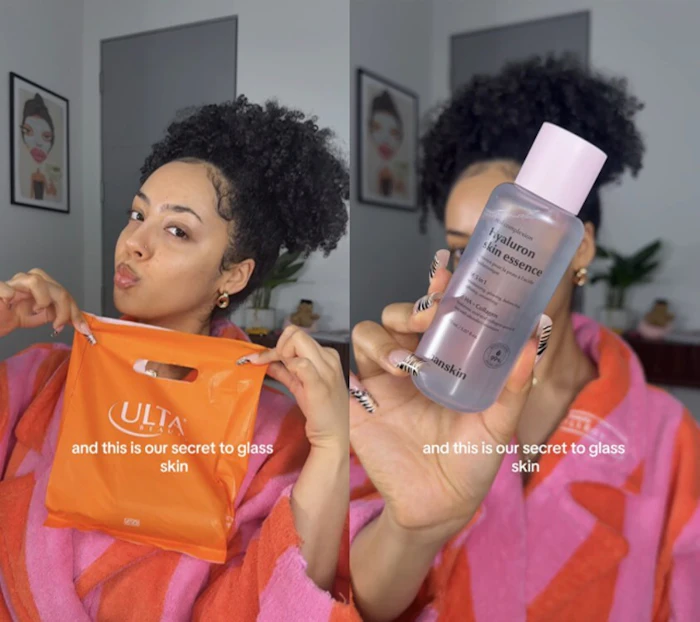
Parallel to this marketplace velocity, established K-beauty leaders are executing massive offline rollouts to cement their prestige status. Hanskin is currently transitioning from an Amazon-dominant strategy to a 1,400-store launch at Ulta Beauty, focusing on its bestseller Hyaluron Skin Essence to meet domestic demand for glass skin hydration.
 Dr. Groot, South Korea’s top hair-thickening brand, is entering Sephora’s national network in May 2026, signaling that the K-beauty influence has moved beyond skin care into the high-growth scalp-care and skinified hair care segments. Dr. Groot
Similarly, Dr. Groot, South Korea’s top hair-thickening brand, is entering Sephora’s national network in May 2026, signaling that the K-beauty influence has moved beyond skin care into the high-growth scalp-care and skinified hair care segments.
These moves reflect a broader trend of professionalizing K-beauty, moving away from whimsical packaging toward clinically proven, microbiome-focused, and biotech-driven solutions.
The expansion is also taking on a more technical, biotechnology-led narrative to compete with domestic prestige brands. Hanskin’s introduction of plant-based lotus PDRN technology—which claims faster absorption than traditional salmon-derived alternatives—highlights a push toward proprietary, high-purity ingredients.
 By securing 19 SKUs at Sephora Mexico and partnering with major regional retailers like Falabella, Biodance is leveraging its viral Bio-Collagen Real Deep Mask to establish a dominant footprint across Latin America. Biodance
Meanwhile, global powerhouses like Biodance are recording explosive financial growth, jumping from $24 million in 2022 to $100 million in 2024, with a 2026 revenue target of $400 million. By securing 19 SKUs at Sephora Mexico and partnering with major regional retailers like Falabella, Biodance is leveraging its viral Bio-Collagen Real Deep Mask to establish a dominant footprint across Latin America.