Success increasingly depends on building products and content that work together across retail shelves, recommendation engines and social platforms.
Skin care is entering a new phase defined by proven performance, scientific credibility and digital discoverability. Recent research reveals that while consumers continue to invest heavily in skin health, the factors driving purchase decisions are rapidly evolving. Clinical efficacy remains the foundation, but AI-powered search engines and social commerce platforms like TikTok Shop are reshaping how consumers discover, evaluate and ultimately buy products.
This article is only available to registered users.
Log In to View the Full Article
Success increasingly depends on building products and content that work together across retail shelves, recommendation engines and social platforms.
Skin care is entering a new phase defined by proven performance, scientific credibility and digital discoverability. Recent research reveals that while consumers continue to invest heavily in skin health, the factors driving purchase decisions are rapidly evolving. Clinical efficacy remains the foundation, but AI-powered search engines and social commerce platforms like TikTok Shop are reshaping how consumers discover, evaluate and ultimately buy products.
Together, these findings paint a clear picture: tomorrow's winning brands will develop products that are easy for AI to understand, compelling for creators to explain and simple for consumers to trust. For R&D teams and marketers alike, success increasingly depends on building products and content that work together across retail shelves, recommendation engines and social platforms.
Skin Care’s Next Growth Era: Science, Not Hype, Is Winning
Circana data from 2025 and Q1 2026 suggesta that skin care has entered a more mature, resilient phase of growth, with demand broadening rather than relying on a handful of hero trends. Growth in both mass and prestige channels indicates consumers are continuing to invest in skin health across price points, while strong unit gains show shoppers are buying more products, not simply paying higher prices.
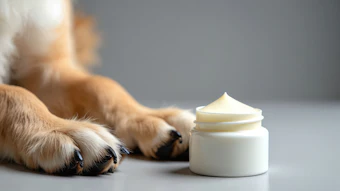
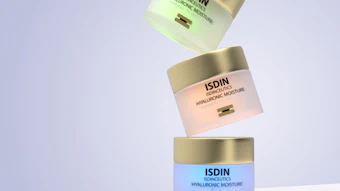
 The outperformance of face creams, serums and eye treatments, coupled with clinical brands capturing more than one-third of prestige dollar sales, reinforces that efficacy and science-backed claims remain the industry's strongest value proposition.brizmaker at Adobe Stock
At the same time, the outperformance of face creams, serums and eye treatments, coupled with clinical brands capturing more than one-third of prestige dollar sales, reinforces that efficacy and science-backed claims remain the industry's strongest value proposition.
Rather than chasing novelty alone, consumers are increasingly prioritizing proven performance, making skin care one of beauty's most dependable long-term growth engines.
But, beyond the product, ingredient and category trends, two forces are reshaping the skin care market: TikTok Shop and AI platforms such as ChatGPT. This suggests that new strategies are needed, from product development to marketing.
AI Is Rewriting Skin Care Discovery—and Ingredients Are the New SEO
A recent study by the 5W Research Teamb has revealed a fundamental architectural shift in how beauty consumers buy and research skin care. In a sweeping Q1 2026 audit analyzing more than 80 high-intent consumer prompts across ChatGPT, Claude, Perplexity and Google AI Overviews, researchers discovered that beauty has become the largest consumer category for AI search optimization.
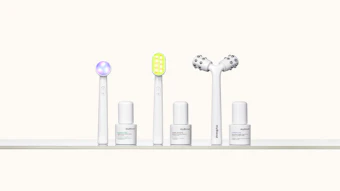
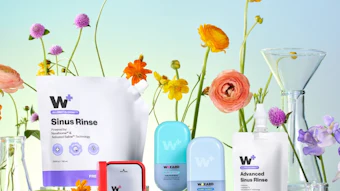
 The report argues that Sephora and Ulta have become distinct AI citation ecosystems. Securing distribution across both retailers not only expands physical reach but also increases the likelihood of appearing in AI-generated recommendations.Colleen Michaels at Adobe Stock
The report suggests that AI is creating a new competitive landscape where scientific clarity is becoming as important as product efficacy. Brands that make it easy for AI to understand exactly what a product does—and why—are gaining visibility over brands that rely on prestige, heritage or aspirational storytelling.
The report’s authors offer the following key insights:
- Lead with ingredients, not brand heritage. AI search prioritizes products based on specific ingredients and skin concerns (e.g., vitamin C, niacinamide, barrier repair, sensitive skin) rather than luxury positioning or brand recognition. Brands should organize product messaging around what the formula delivers.
- Make formulations machine-readable. Structured product information—including ingredient concentrations, mechanisms of action and exclusion frameworks—helps AI systems interpret and recommend products. The report points to The Ordinary's concentration-based naming and Drunk Elephant’s “Clean 8” framework as examples of content AI can easily parse.
- Clinical credibility is a competitive advantage. Brands such as CeraVe, La Roche-Posay and SkinCeuticals consistently surface because they pair formulations with dermatologist relationships, clinical positioning and evidence-based education. AI appears to reward verifiable expertise over lifestyle marketing.
- Own a specific skin concern. The strongest-performing brands dominate clearly defined territories—barrier repair, sensitive skin, vitamin C, niacinamide—rather than trying to be everything to everyone. Establishing authority around a focused benefit can improve discoverability.
- Retail strategy now influences digital discovery. The report argues that Sephora and Ulta have become distinct AI citation ecosystems. Securing distribution across both retailers not only expands physical reach but also increases the likelihood of appearing in AI-generated recommendations.
- Invest in authoritative educational content. Peer-reviewed studies, dermatologist-authored resources and chemist-backed explainers create the kind of credible content AI engines are most likely to cite. Brands that continue to emphasize lifestyle imagery over technical education risk losing visibility in AI-driven search.
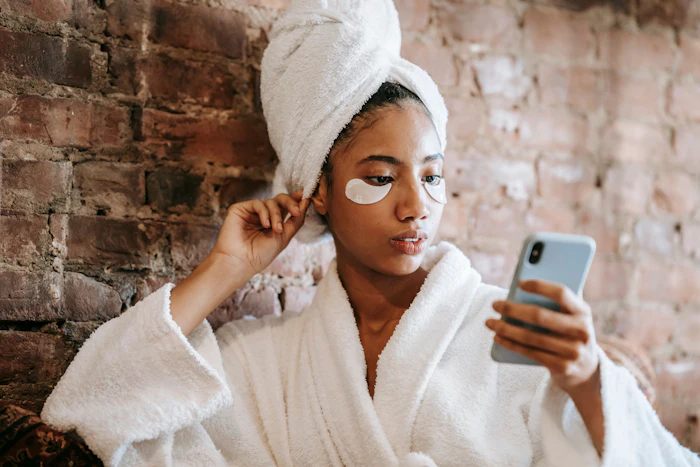
 Companies including Neutrogena and La Roche-Posay placed within the top 10 sources favored by ChatGPT, indicating that well-developed brand content remains influential when AI systems evaluate skin care products.Carlos Yudica at Adobe Stock
A separate 2026 analysis from Novi builds on this shift, examining which online sources most strongly influence the beauty recommendations generated by ChatGPT. Notably, for skin care-related questions, ChatGPT's citations leaned more heavily toward editorial publications and (in an echo of 5W’s findings) major beauty retailers.
The top five most-cited sources for skin care recommendations were:
- Who What Wear
- Sephora
- Allure
- Ulta Beauty
Interestingly, some brand-owned websites also appeared among the top-ranked sources. Companies including Neutrogena and La Roche-Posay placed within the top 10, indicating that well-developed brand content remains influential when AI systems evaluate skin care products.
TikTok Shop's Beauty Playbook: Hydration, PDRN and Ingredient Education Drive the Next Wave of Viral Sales
A new report from Charm.io, "Formulating for Virality: What TikTok Shop Sales Data Reveals About Winning Ingredients, Products & Trends"c, suggests beauty brands hoping to win on TikTok Shop should focus less on chasing fleeting trends and more on pairing high-interest ingredients with educational, creator-led content.
 Beyond direct purchases, TikTok Shop is also fueling an omnichannel halo effect, with brands seeing 46% higher brick-and-mortar sales and 28% higher Amazon sales after gaining traction on the platform.Forewer at Adobe Stock
The platform is rapidly cementing its role as a beauty retail powerhouse, with beauty sales projected to reach $4.9 billion by 2026. Beyond direct purchases, TikTok Shop is also fueling an omnichannel halo effect, with brands seeing 46% higher brick-and-mortar sales and 28% higher Amazon sales after gaining traction on the platform.
Hydration continues to dominate ingredient-driven sales, with water, sodium hyaluronate and glycerin remaining top revenue generators. Meanwhile, regenerative ingredient PDRN has become one of beauty's hottest topics, generating more than 460 million views over the past year. Four of the five top-selling PDRN products are sold as multi-pack systems, underscoring the growing appeal of simplified routines and higher-value bundles.
 PDRN has become one of beauty's hottest topics, generating more than 460 million views over the past year. Pictured is Induction Therapies' YouthXO + PDRN, "a clean, recovery-and-renewal serum designed for continued daily skin support between treatments."Induction Therapies
Other fast-rising actives include Croda's Volufiline, a non-invasive plumping ingredient that has amassed 226 million views and surged 2,943% over the past 12 months, despite a market still dominated by just four brands. Kojic acid also continues to gain momentum for hyperpigmentation, with creators frequently pairing it with niacinamide and turmeric while showcasing visible before-and-after results.
According to Charm.io, the biggest winners are combining science-backed ingredients with creator education rather than traditional advertising.
Tutorials explaining ingredient benefits, application techniques and visible transformations outperform purely promotional content, while claims such as "glow," "hydrating" and "smoothing" consistently rank among the strongest purchase drivers.
The report also points to product bundling as an increasingly effective strategy for increasing average order value while helping consumers understand complete skin care routines.
1. Design formulas for both people and algorithms.
Ingredient transparency, published concentrations, mechanisms of action and clearly defined skin concerns are becoming competitive advantages. AI platforms increasingly reward structured, science-forward product information that is easy to interpret and recommend.
2. Double down on clinically credible hero benefits.
Consumers continue to gravitate toward proven efficacy over novelty. Barrier repair, hydration, pigmentation, sensitive skin and anti-aging remain durable growth platforms, supported by dermatologist validation and clinical evidence.
3. Turn education into your marketing strategy.
The highest-performing brands are replacing lifestyle messaging with ingredient education, expert explainers and creator demonstrations. Consumers—and AI search engines—reward brands that clearly explain how products work and who they are for.
4. Build products for the social commerce ecosystem.
TikTok Shop favors products with visible results, memorable hero ingredients and routines that creators can easily demonstrate. Bundles, before-and-after transformations and claims such as "glow," "hydrating" and "smoothing" continue to drive engagement and conversion.
5. Think beyond the shelf to maximize discoverability.
Distribution, editorial coverage and retailer presence increasingly shape AI recommendations. Strong relationships with retailers such as Sephora and Ulta, alongside authoritative brand-owned content and earned media, can amplify visibility across both AI search and social commerce.
FOOTNOTE
ahttps://www.circana.com/industries/beauty
bhttps://www.5wpr.com/ai-visibility-index/beauty-ai-visibility-index-2026/